
The Situation Right Now
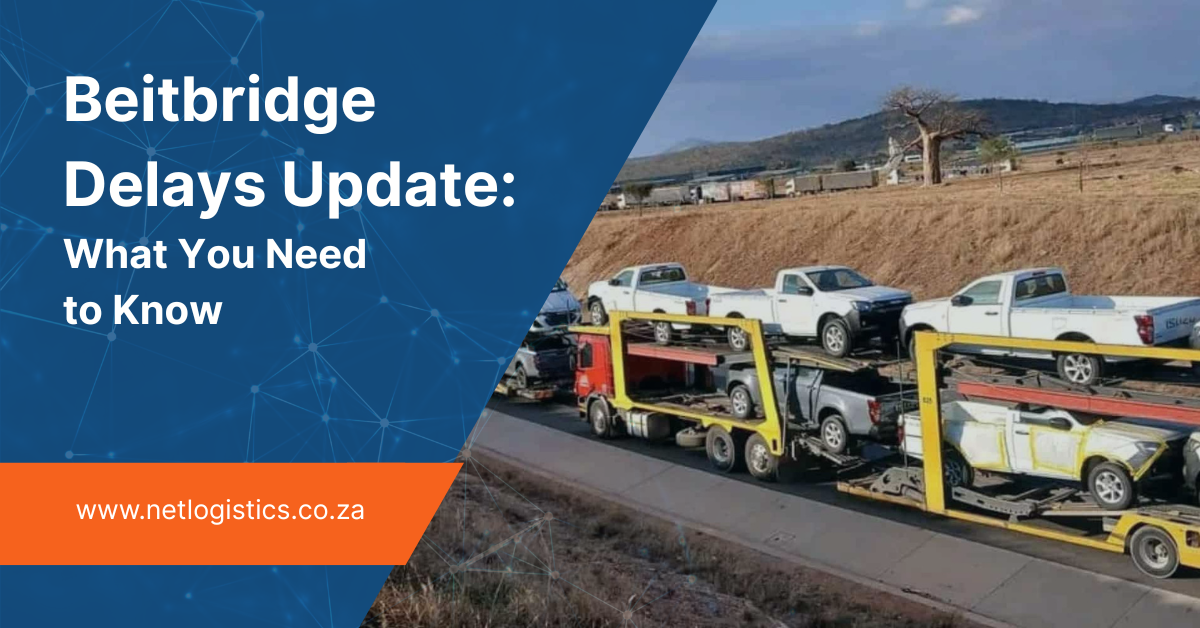
As of 28 July 2026, Beitbridge is experiencing significant truck congestion. Freight trucks are queuing 8–20 kilometres on the N1 north of Musina, with estimated wait times of 3+ days to cross into Zimbabwe.
Important: The Border Management Authority (BMA) has confirmed that this delay originates entirely on the Zimbabwe side of the border. South African customs operations remain fully functional.
If your shipment is heading to Zimbabwe over the next week, you need to understand what’s causing this—and what you can do about it.
What’s Causing the Delays? (The Real Story)
According to Zimbabwe authorities and official BMA statements, three specific factors are creating the bottleneck:
1. Limited Parking Capacity at Zimbabwe’s Border Post
Zimbabwe’s staging area simply doesn’t have enough parking spaces for the volume of trucks currently arriving. This is a hard constraint—there’s literally nowhere for trucks to wait while cargo processing happens.
2. Abnormal-Load Vehicles Occupying Parking Bays
Oversized and abnormal-load vehicles (project cargo, machinery, heavy equipment) are taking up standard parking spaces designed for regular freight containers. These vehicles require special handling and take longer to process, but in doing so, they’re blocking bays that would normally accommodate multiple standard loads.
3. Slower Cargo Processing by Clearing Agents
Clearing agents on the Zimbabwe side are processing cargo more slowly than usual. Combined with the parking constraint, this creates a cascade effect: trucks arrive, can’t find parking, and cargo can’t be processed, so nothing moves.
The result: A backlog that’s growing hourly. News coverage confirms the scale of the issue, with some reports indicating queue lengths exceeding 8 kilometers.
What This Means for Your Shipments
Timeline: Add 3–5 extra days to your export schedule while this clears.
Cost impact:
- Driver accommodation during extended waits
- Increased fuel consumption from idling
- Potential demurrage charges if goods sit in warehouse
- Security risks for cargo left unattended overnight
Safety concerns: According to reports from truck drivers at the border, drivers are forced to leave trucks unattended to buy food and water, creating vulnerability to theft and cargo tampering.
What NET Logistics Is Doing
We’re actively monitoring Beitbridge conditions and coordinating with South African border authorities. Our team can:
- Provide real-time queue status updates
- Help you adjust timelines and communicate delays to your customers
- Explore alternative routing options where applicable
- Coordinate with clearing agents to prioritize processing where possible
If you have shipments currently in transit or planned for the next 5–7 days, contact us immediately.
Practical Guidance: How to Navigate This
1. Verify Your Documentation NOW
Don’t wait until you’re in the queue. Missing or incomplete documents will compound delays.
Required for Zimbabwe import:
- ✓ Bill of Lading
- ✓ Commercial Invoice
- ✓ Packing List
- ✓ Import Permit (pre-arranged)
- ✓ VAT Registration Certificate (if applicable)
Have your freight partner verify everything before you enter the queue.
2. Plan for Extended Timelines
You’re looking at 3–5 extra days minimum. Communicate this to your Zimbabwe partners immediately. A heads-up now prevents missed deliveries, contract violations, and customer complaints later.
3. Consider Consolidation
If you’re shipping a partial load, consolidation can actually help during congestion. A full truck moves through border processing more efficiently than multiple partial loads, each requiring separate inspections.
We offer Logistics for Shipping Across Southern Africa which can help coordinate consolidated shipments.
4. Ensure Driver Safety
If your driver is waiting overnight:
- Arrange secure parking or guarded facilities
- Provide access to food, water, and accommodation
- Maintain regular communication
- Never leave cargo completely unattended
5. Track Queue Status
Check for real-time updates from the BMA official website or industry news sources like SABC News and The Citizen. Queue conditions change hourly, and understanding current wait times helps you adjust communication to customers.
6. Contact Your Logistics Partner
If you use Transport to Zimbabwe services or any freight provider, keep them updated on your shipment’s status. We can coordinate with clearing agents and border officials to identify the fastest path forward.
When Will This Clear?
The BMA and Zimbabwean authorities are actively working to resolve this. Expect:
- Next 24–48 hours: Queue may continue growing as more trucks arrive, but expedited processing should begin
- Next 5–7 days: As Zimbabwe increases processing capacity, delays should reduce to 1–2 days
- Medium-term: This type of seasonal congestion typically clears within 1–2 weeks
Monitor official updates from the BMA for changes.
Don’t Panic—But Act Now
This is a temporary situation, but it requires immediate action from you:
Today:
- Verify all documentation
- Notify your Zimbabwe partner about delays
- Contact your freight provider for status
This week:
- Adjust customer expectations
- Plan alternative routes if urgent
- Prepare for extended timelines
Need Help Right Now?
If your shipment is affected, contact NET Logistics immediately.
We can:
- Provide real-time queue status
- Coordinate with Zimbabwe clearing agents
- Help you adjust timelines and communicate to customers
- Advise on Transport to Zambia or alternative routing if urgent
We’re monitoring this situation closely and will provide updates as it develops.
What We’re Tracking
- Real-time queue length and processing times (per BMA updates)
- Zimbabwe customs processing status
- Alternative crossing conditions
- Official updates from BMA and Zimbabwean authorities
- Driver safety and security issues
Check back for updates as this situation evolves.